Why Hope Matters
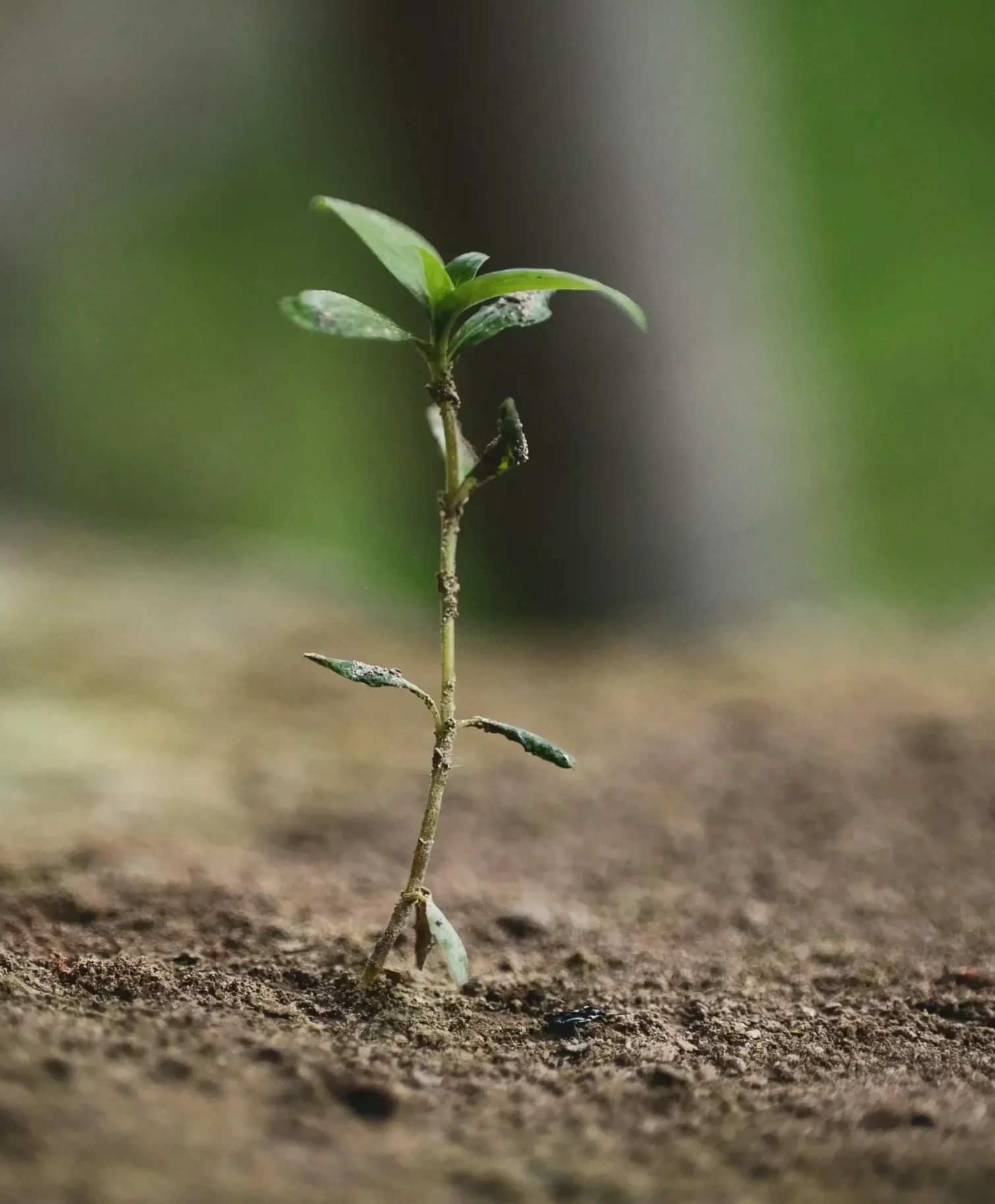
Practicing hope and taking time to celebrate life are powerful parts of our Strength Toolkit. But hope isn’t about pretending everything’s fine; it’s about holding onto the possibility that things can shift, even a little, in a better direction.
- Help us through difficult times
- Reduce stress and help manage our emotions
- Give us energy and motivation
- Support sleep and rest
- Keep us from feeling completely overwhelmed
- Keep us alive
Hope helps us keep moving. It’s at the heart of phrases like “this too will pass” and “every day is a new day.”
Radical Hope
Sometimes, searching for “signs of hope” can feel frustrating or discouraging, especially when life has been harsh or unfair. In those moments, it can help to think about radical hope.
- Choosing to be hopeful, even when the future feels unclear
- Nurturing a belief that something better is still possible
- Holding onto that belief even in the face of pain or loss
This kind of hope isn’t naive; it’s actually a courageous choice. Radical hope can give us the determination to keep going, even when the odds feel stacked against us.
Honoring the Fact That You’re Still Here
Whatever abuse, harm, or hardship you’ve been through, you’re still here. That matters.

- Acknowledging your survival
- Honoring your unique experiences
- Recognizing the ways you’ve kept yourself going
- Celebrating the parts of your life that have brought you meaning, happiness, or relief
In working through childhood trauma, it’s important not to lose sight of your skills, knowledge, and resourcefulness.
- Found a way through something awful
- Took time for yourself
- Escaped or rested in ways that kept you going
- Built friendships or connections
- Had fun and did things that made you feel alive
- Achieved something in school, work, sports, travel, creativity, or relationships
These moments don’t cancel out the harm, but they’re part of your story, and that’s important. You’re much more than what happened to you.
Building a Bank of Positive Memories
We all benefit from having a “bank” of positive emotional memories we can draw on, especially when we feel down or overwhelmed.
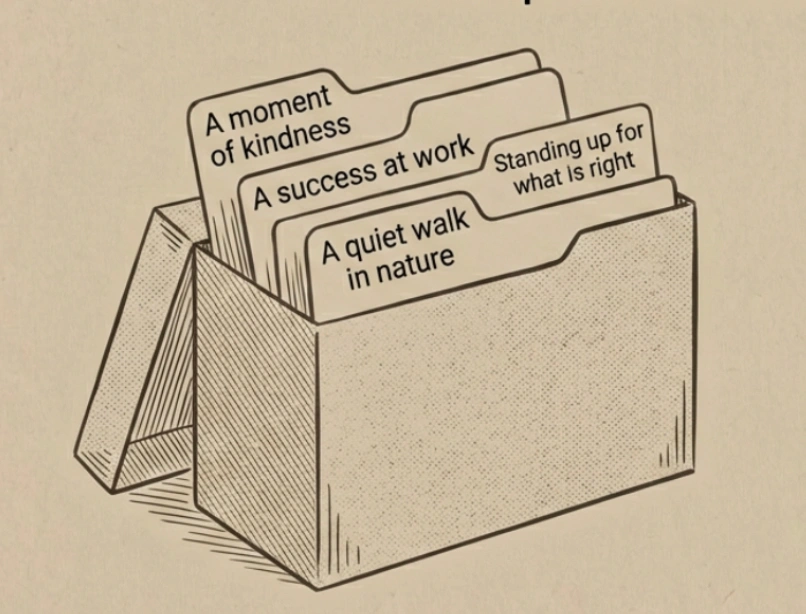
- Good times with friends
- A random act of kindness (given or received!)
- Moments of closeness or connection
- Times you felt strong, brave, or steady
- Times you were resilient, even when things were hard
- You’ve had moments of happiness, meaning, and connection
- You’ve made a difference in someone’s life
- You have value and strength
Reflecting on What Keeps You Going
Take some time to reflect on moments, however small or fleeting, that have helped sustain you or made you feel more like yourself.

- A relationship or shared moment that felt safe or meaningful
- Success or progress at work, school, or a personal project
- A walk or a nice moment in nature
- A physical or creative achievement
- Something you did to help or stand by someone else
- A moment when you stood up for what’s right, even in a small way
You don’t have to force anything. Just notice what comes up when you ask:
What moments in my life, however small, have reminded me that I matter?
Hope as Part of Your Strength Toolkit
Hope and celebrating life don’t erase what happened, but they are real sources of strength. They can remind you that you’re more than your past and that you can keep moving forward.
Disclaimer: The information on this page is general in nature and is not a substitute for professional advice. We encourage you to prioritize your safety and well-being and to consider seeking support from a qualified healthcare professional if needed.